Orthodontic Emergencies: What to Do If a Bracket Breaks, Wire Pokes, or Bands Come Loose
Even with the best care and attention, braces can occasionally break or become uncomfortable. A loose bracket, a poking wire, or a detached band can

Even with the best care and attention, braces can occasionally break or become uncomfortable. A loose bracket, a poking wire, or a detached band can

Wearing braces is a big step toward achieving a straight, confident smile — but it also means making a few changes to your eating habits.

Getting braces is an exciting step toward a straighter, healthier smile — but it’s common to experience some soreness, especially after adjustments. These appointments are

Braces have come a long way from the bulky, uncomfortable appliances of the past. Today’s orthodontic options are more effective, discreet, and comfortable than ever

Parents often wonder when their child should first visit an orthodontist. Many assume it’s best to wait until all the adult teeth come in —

Finishing Invisalign treatment is an exciting milestone. After months of dedication, you finally have the straight, confident smile you’ve been working toward. But there’s an

One of the best features of clear aligners like Invisalign is how seamlessly they fit into everyday life. Unlike braces, which can sometimes interfere with

Clear aligners like Invisalign have made orthodontic treatment more comfortable and convenient than ever. But while aligners are durable, they’re not indestructible. Proper care is

Clear aligners like Invisalign are designed to be worn 20–22 hours per day for the best results. But life happens — aligners get lost, trays
Choosing the right orthodontic treatment is a crucial step towards achieving your ideal smile. At Speaks Orthodontics, we offer a comprehensive range of options, from traditional braces to advanced clear aligners, each designed to address specific needs and preferences. Our goal is to provide personalized care that fits your lifestyle and delivers exceptional results.
We understand that every patient is unique, which is why we take the time to thoroughly assess your oral health and discuss your aesthetic goals. Whether you're considering metal braces for their proven effectiveness, ceramic braces for a more discreet look, or the convenience of clear aligners like Invisalign, we'll guide you through the pros and cons of each to help you make an informed decision.
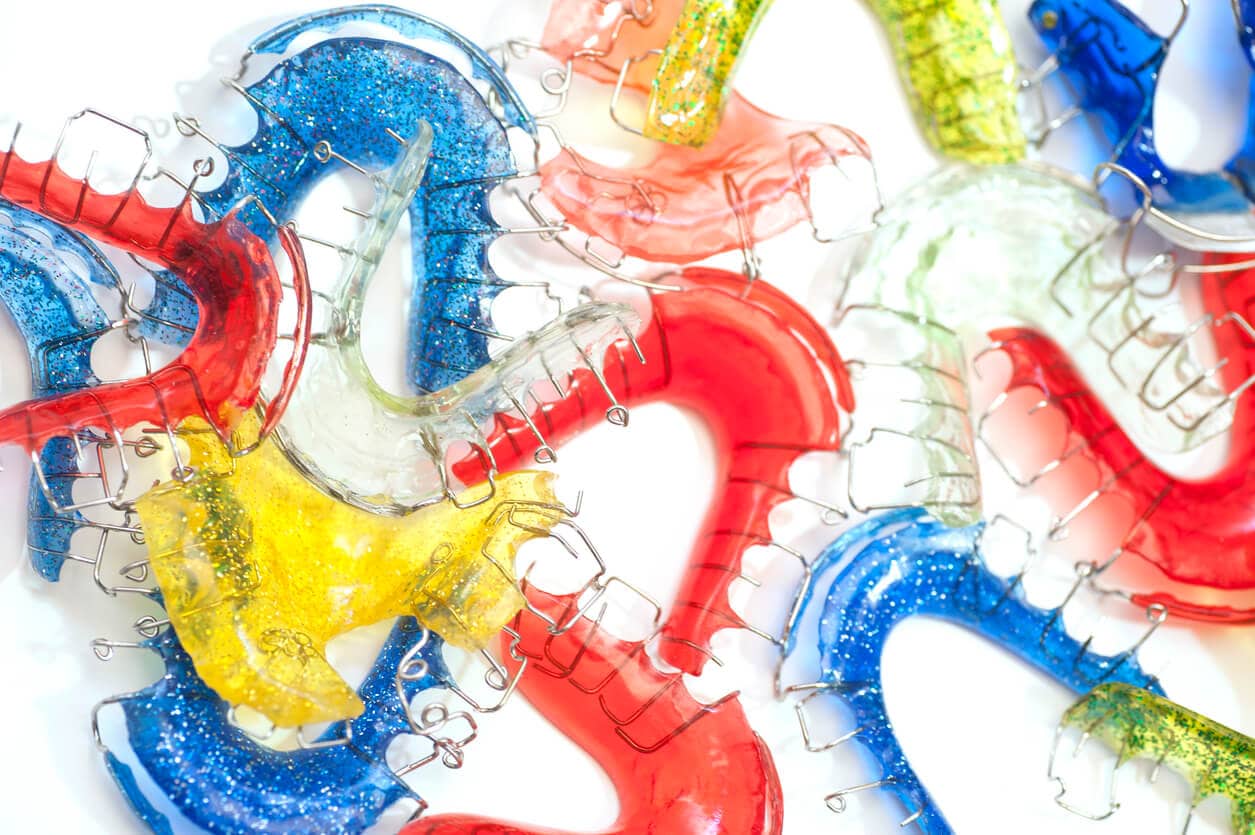
Once your orthodontic treatment is complete and your teeth are perfectly aligned, the journey isn't quite over. Retainers play a vital role in maintaining the results achieved during treatment, preventing teeth from shifting back to their original positions. Wearing your retainer as prescribed by your orthodontist is essential for long-term smile stability.
There are two main types of retainers: fixed (bonded) retainers, which are permanently attached to the back of your teeth, and removable retainers, which can be taken out for cleaning and eating. Both types require proper care and consistent wear to ensure your beautiful smile lasts a lifetime. We'll provide detailed instructions on how to care for your specific retainer type.
The American Association of Orthodontists recommends that children have their first orthodontic evaluation by age seven. Early assessment allows us to identify potential issues with jaw growth and tooth development before they become more complex problems. Intervening early can often simplify future treatment and lead to better outcomes.
An early orthodontic assessment can help guide the growth of the jaws and correct problems such as crossbites, crowding, or spacing. In some cases, early treatment can prevent the need for more extensive procedures later in life, potentially saving time, discomfort, and cost. It also provides us with a roadmap for future orthodontic care as your child grows.
Keeping your teeth clean and healthy while wearing braces requires a little extra attention and a consistent oral hygiene routine. The brackets and wires of braces can trap food particles and plaque, increasing the risk of cavities and gum disease if not properly managed. Diligent brushing and flossing are key to preventing these issues.
We recommend using a soft-bristled toothbrush and brushing after every meal and snack to remove food debris. Special orthodontic brushes and floss threaders can be helpful in cleaning around brackets and wires. Regular dental check-ups are also crucial to ensure your oral health is maintained throughout your orthodontic treatment.