Common Myths About Braces
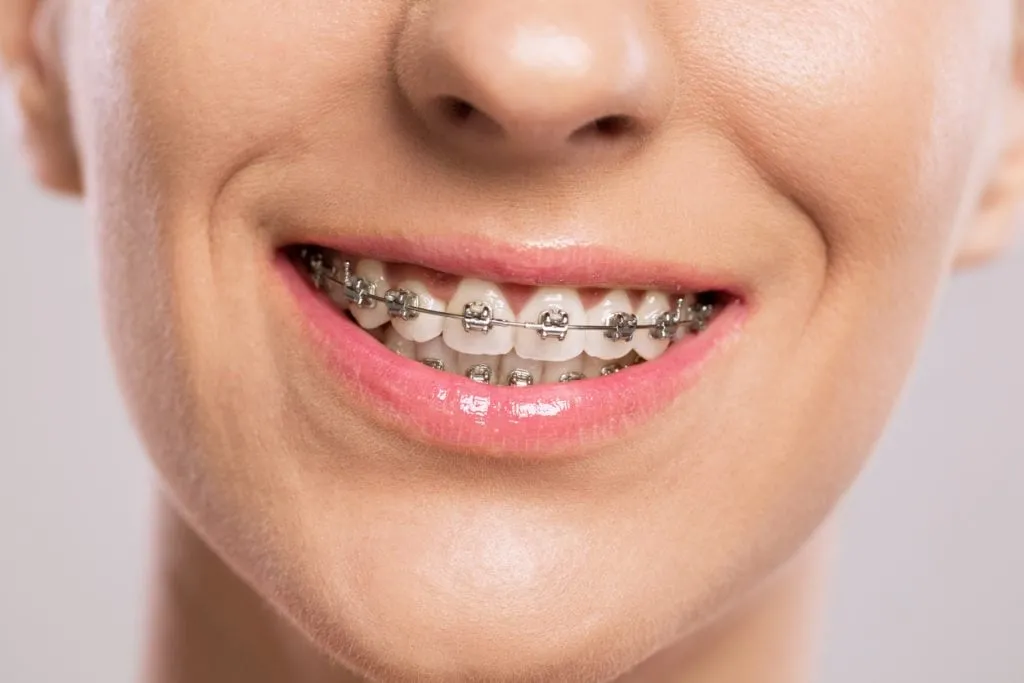
Many people have misconceptions about braces that can lead to unnecessary anxiety or misinformation. For instance, a common myth is that braces are only for children and teenagers, when in fact, adults can also benefit from orthodontic treatment.
Understanding the truth behind these myths can help patients make informed decisions about their orthodontic care. For example, some believe that braces are always painful, while many patients find that modern braces are much more comfortable than in the past due to advancements in technology.
Orthodontic Treatment Timeline: What to Expect
Knowing the timeline of orthodontic treatment can help patients prepare mentally and physically for their journey to a straighter smile. Typically, the treatment duration varies based on individual needs, ranging from several months to a few years.
Factors influencing the timeline include the complexity of the case and the type of braces used. Regular check-ups and adherence to the orthodontist's instructions can significantly impact the overall duration of treatment, ensuring patients achieve their desired results as efficiently as possible.
Tips for Maintaining Oral Hygiene with Braces
Maintaining proper oral hygiene is crucial for patients with braces to prevent cavities and gum disease. Brushing after every meal and using special tools like interdental brushes can help keep teeth and braces clean.
Additionally, it’s essential to avoid certain foods that can damage braces, such as sticky candies and hard nuts. Regular visits to the orthodontist for cleanings and check-ups will also support overall dental health during treatment.
Understanding Retainers: Types and Care
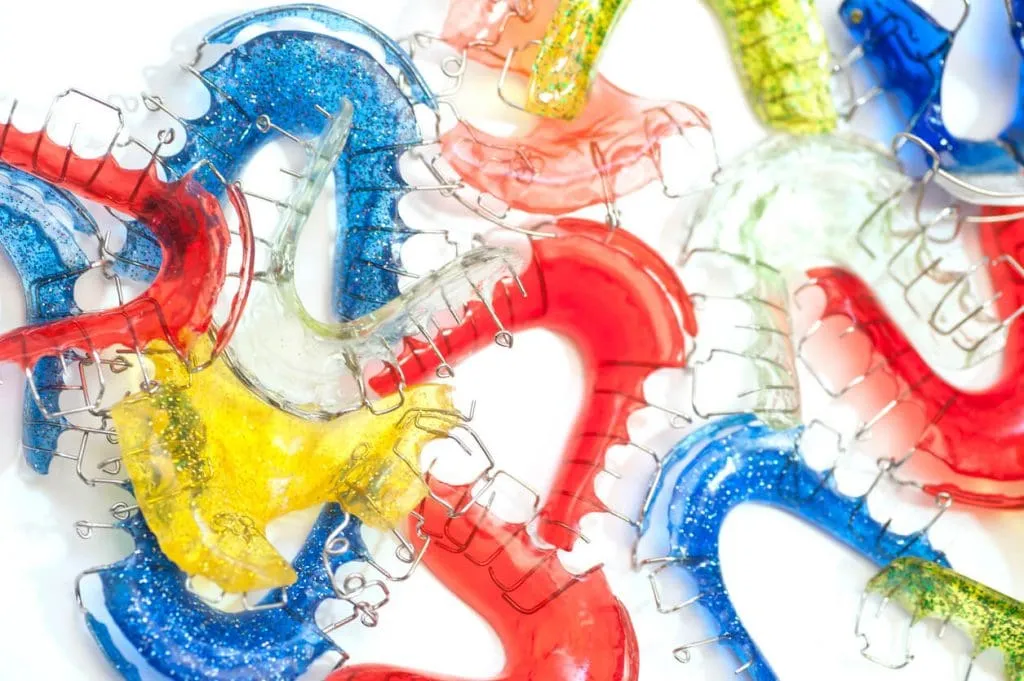
Retainers play a vital role in maintaining the results achieved through orthodontic treatment. After braces or aligners, patients typically need to wear a retainer to ensure that teeth remain in their new positions.
There are various types of retainers, including fixed and removable options, each with its own care instructions. Proper maintenance of retainers is essential; cleaning them regularly and storing them safely can extend their lifespan and effectiveness.