Understanding the Role of Orthodontics in Overall Health
Orthodontics is not just about achieving a beautiful smile; it plays a crucial role in overall health. Properly aligned teeth can enhance oral function, making it easier to chew and speak, while also reducing the risk of dental issues such as cavities and gum disease.
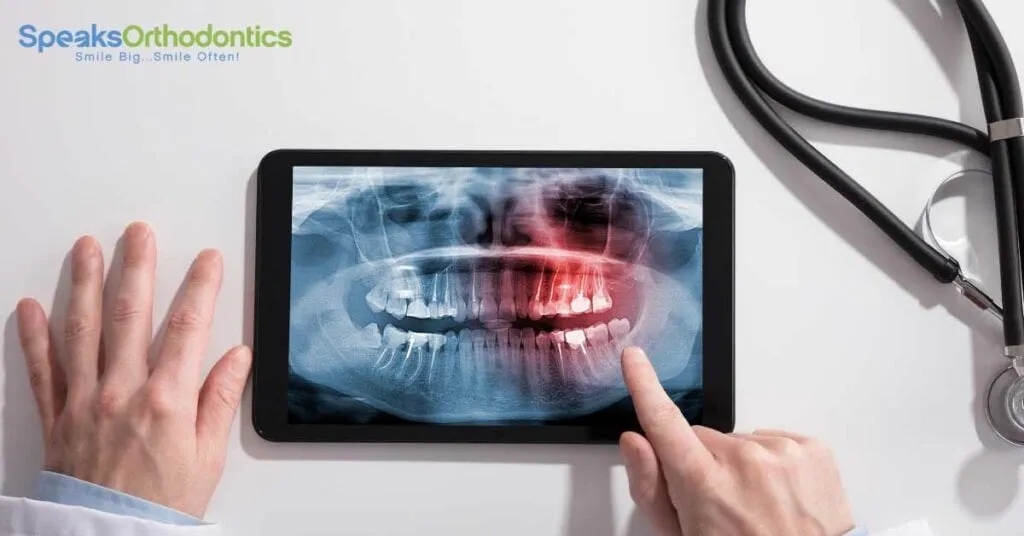
Misalignment can lead to uneven wear on teeth and jaw strain, which may result in headaches or jaw pain. By addressing orthodontic concerns, individuals can improve their quality of life and maintain better long-term oral health.
Choosing the Right Orthodontic Treatment for Your Needs
With various orthodontic options available, choosing the right treatment can be overwhelming. Factors such as the severity of the misalignment, personal preferences, and lifestyle considerations play a significant role in determining the best approach.
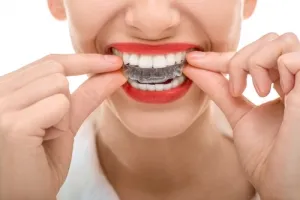
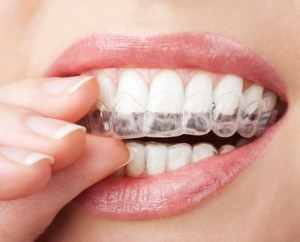
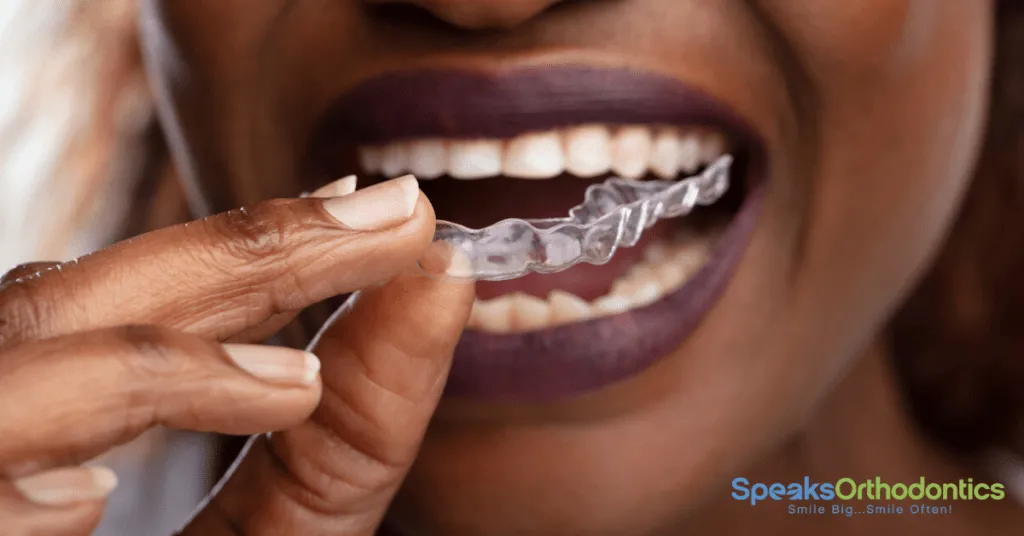
Options include traditional braces, clear aligners like Invisalign, and even surgical orthodontics for more complex cases. Consulting with an orthodontic specialist can help tailor a treatment plan that meets individual needs and goals.
Maintaining Oral Hygiene During Orthodontic Treatment
Maintaining oral hygiene is crucial while undergoing orthodontic treatment. Braces and aligners can create additional spaces for food particles and plaque to accumulate, increasing the risk of cavities and gum disease if not properly managed.
Regular brushing, flossing, and using mouthwash are essential steps. Orthodontists often provide specific instructions and tools, such as interdental brushes or floss threaders, to help patients maintain optimal oral health throughout their treatment.
The Emotional Impact of Orthodontic Treatment
The journey through orthodontic treatment can be an emotional one, often affecting self-esteem and body image. While many individuals look forward to their new smile, the process can sometimes be challenging, particularly for younger patients.
Support from family, friends, and orthodontic professionals can make a significant difference. Understanding that the discomfort is temporary and that the end result will be worth it can help patients stay positive throughout their orthodontic journey.
Understanding the Role of Orthodontics in Overall Health
Orthodontics is not just about achieving a beautiful smile; it plays a crucial role in overall health. Properly aligned teeth can enhance oral function, making it easier to chew and speak, while also reducing the risk of dental issues such as cavities and gum disease.
Misalignment can lead to uneven wear on teeth and jaw strain, which may result in headaches or jaw pain. By addressing orthodontic concerns, individuals can improve their quality of life and maintain better long-term oral health.
Choosing the Right Orthodontic Treatment for Your Needs
With various orthodontic options available, choosing the right treatment can be overwhelming. Factors such as the severity of the misalignment, personal preferences, and lifestyle considerations play a significant role in determining the best approach.
Options include traditional braces, clear aligners like Invisalign, and even surgical orthodontics for more complex cases. Consulting with an orthodontic specialist can help tailor a treatment plan that meets individual needs and goals.
Maintaining Oral Hygiene During Orthodontic Treatment
Maintaining oral hygiene is crucial while undergoing orthodontic treatment. Braces and aligners can create additional spaces for food particles and plaque to accumulate, increasing the risk of cavities and gum disease if not properly managed.
Regular brushing, flossing, and using mouthwash are essential steps. Orthodontists often provide specific instructions and tools, such as interdental brushes or floss threaders, to help patients maintain optimal oral health throughout their treatment.
The Emotional Impact of Orthodontic Treatment
The journey through orthodontic treatment can be an emotional one, often affecting self-esteem and body image. While many individuals look forward to their new smile, the process can sometimes be challenging, particularly for younger patients.
Support from family, friends, and orthodontic professionals can make a significant difference. Understanding that the discomfort is temporary and that the end result will be worth it can help patients stay positive throughout their orthodontic journey.