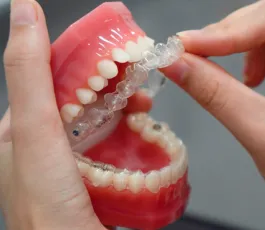

Understanding the Different Types of Clear Aligners
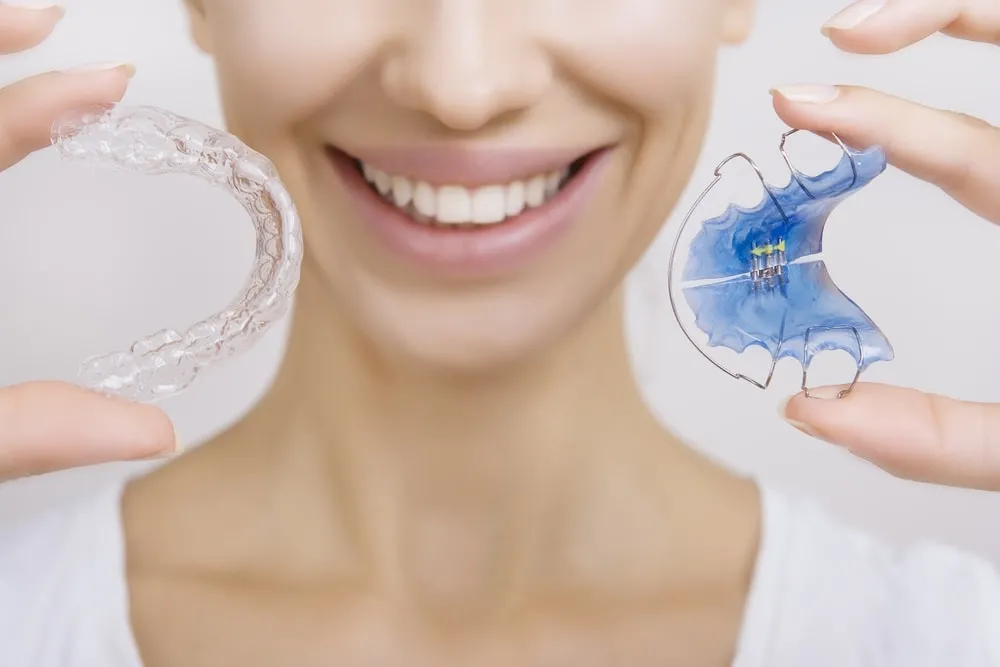
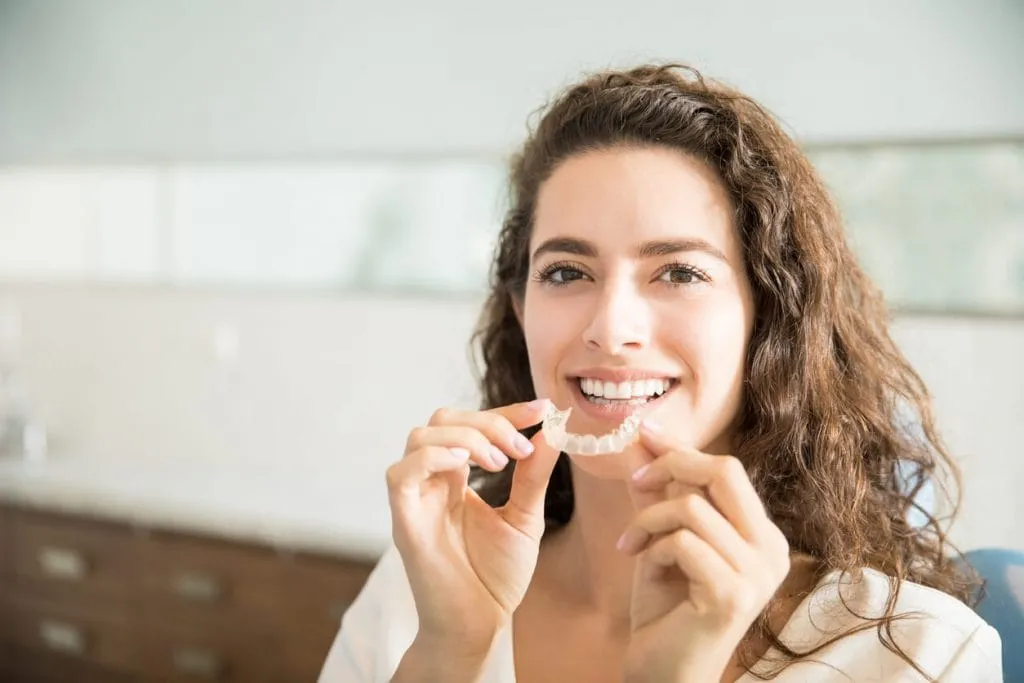
Clear aligners come in various types, each designed to cater to different orthodontic needs. The most common options include Invisalign, SmileDirectClub, and Candid, each offering unique features and treatment plans tailored to individual patients.
For instance, while Invisalign is known for its comprehensive treatment plans and use of advanced technology, alternatives like SmileDirectClub provide a more budget-friendly option with a focus on remote consultations. Understanding these differences can help patients make informed decisions about their orthodontic care.
Common Misconceptions About Clear Aligners
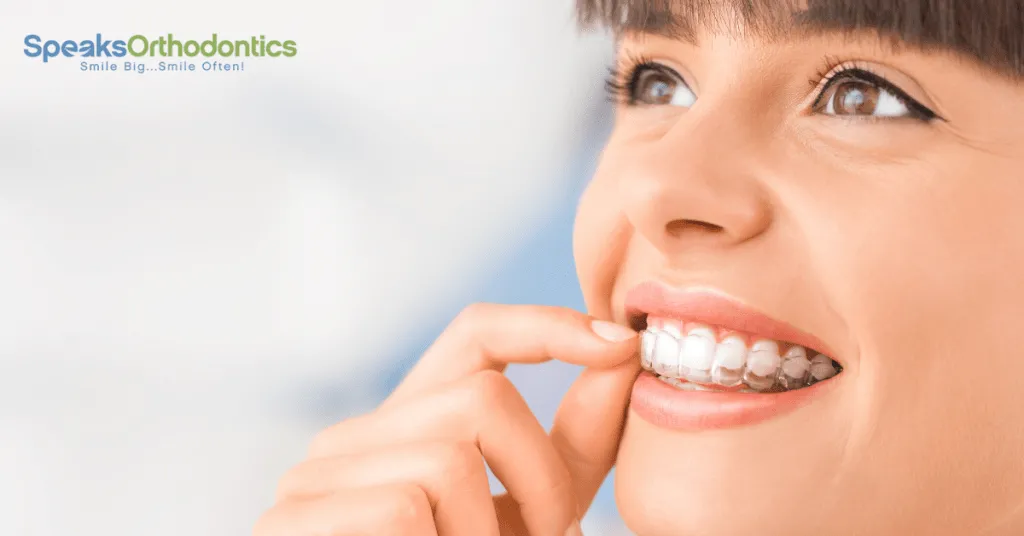
Many patients have misconceptions about clear aligners that can lead to unrealistic expectations. One common myth is that aligners are completely invisible, while in reality, they may be slightly noticeable, especially in certain lighting or at certain angles.
Additionally, some believe that clear aligners can only correct minor dental issues, but they can effectively treat a wide range of orthodontic concerns, including severe misalignment. Educating patients about these misconceptions is crucial for ensuring a positive treatment experience.
Maintaining Oral Hygiene with Clear Aligners
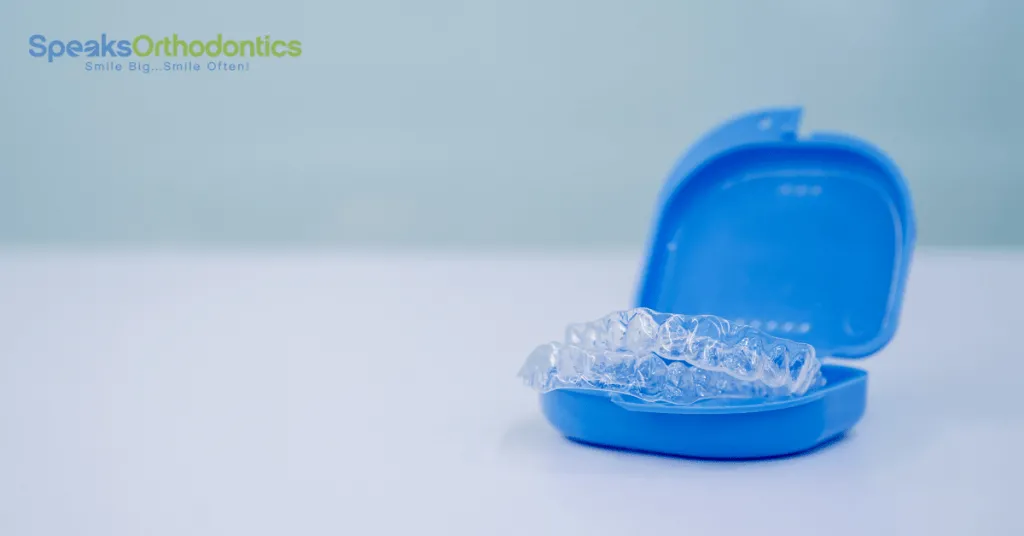
Maintaining oral hygiene while using clear aligners is essential for preventing cavities and gum disease. Patients should brush and floss their teeth regularly and clean their aligners to avoid plaque buildup and odors.
It's recommended to clean aligners with a soft toothbrush and mild soap, avoiding hot water that could warp the plastic. This routine not only keeps aligners fresh but also supports overall oral health during treatment.
Cost Comparison: Clear Aligners vs. Traditional Braces
When considering orthodontic treatment, understanding the cost differences between clear aligners and traditional braces is vital. Generally, clear aligners can range from $3,000 to $8,000, while traditional braces may cost between $2,500 and $7,500, depending on the complexity of the case.
While clear aligners may seem more expensive upfront, many patients find their convenience and aesthetic advantages worth the investment. It's important for patients to evaluate their budget and treatment goals when making this decision.
Understanding the Different Types of Clear Aligners
Clear aligners come in various types, each designed to cater to different orthodontic needs. The most common options include Invisalign, SmileDirectClub, and Candid, each offering unique features and treatment plans tailored to individual patients.
For instance, while Invisalign is known for its comprehensive treatment plans and use of advanced technology, alternatives like SmileDirectClub provide a more budget-friendly option with a focus on remote consultations. Understanding these differences can help patients make informed decisions about their orthodontic care.
Common Misconceptions About Clear Aligners
Many patients have misconceptions about clear aligners that can lead to unrealistic expectations. One common myth is that aligners are completely invisible, while in reality, they may be slightly noticeable, especially in certain lighting or at certain angles.
Additionally, some believe that clear aligners can only correct minor dental issues, but they can effectively treat a wide range of orthodontic concerns, including severe misalignment. Educating patients about these misconceptions is crucial for ensuring a positive treatment experience.
Maintaining Oral Hygiene with Clear Aligners
Maintaining oral hygiene while using clear aligners is essential for preventing cavities and gum disease. Patients should brush and floss their teeth regularly and clean their aligners to avoid plaque buildup and odors.
It's recommended to clean aligners with a soft toothbrush and mild soap, avoiding hot water that could warp the plastic. This routine not only keeps aligners fresh but also supports overall oral health during treatment.
Cost Comparison: Clear Aligners vs. Traditional Braces
When considering orthodontic treatment, understanding the cost differences between clear aligners and traditional braces is vital. Generally, clear aligners can range from $3,000 to $8,000, while traditional braces may cost between $2,500 and $7,500, depending on the complexity of the case.
While clear aligners may seem more expensive upfront, many patients find their convenience and aesthetic advantages worth the investment. It's important for patients to evaluate their budget and treatment goals when making this decision.