Tips for Maintaining Oral Health During Orthodontic Treatment
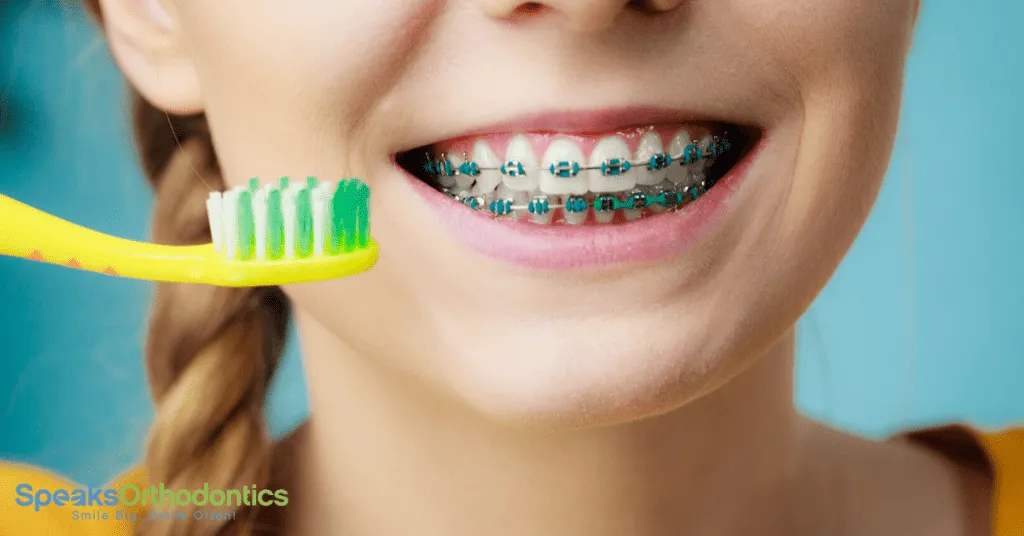
Maintaining oral health is crucial during orthodontic treatment to ensure the best results and prevent complications. Patients should be diligent about their oral hygiene routine, which includes brushing after every meal and using dental floss or interdental brushes to clean between braces or aligners.
In addition to regular brushing and flossing, it's beneficial to use mouthwash to reduce plaque buildup and keep breath fresh. Patients should also be mindful of their diet, avoiding sticky or hard foods that can damage braces or get stuck in aligners. Regular check-ups with the orthodontist are essential for monitoring progress and addressing any issues that arise.
Understanding Different Types of Braces
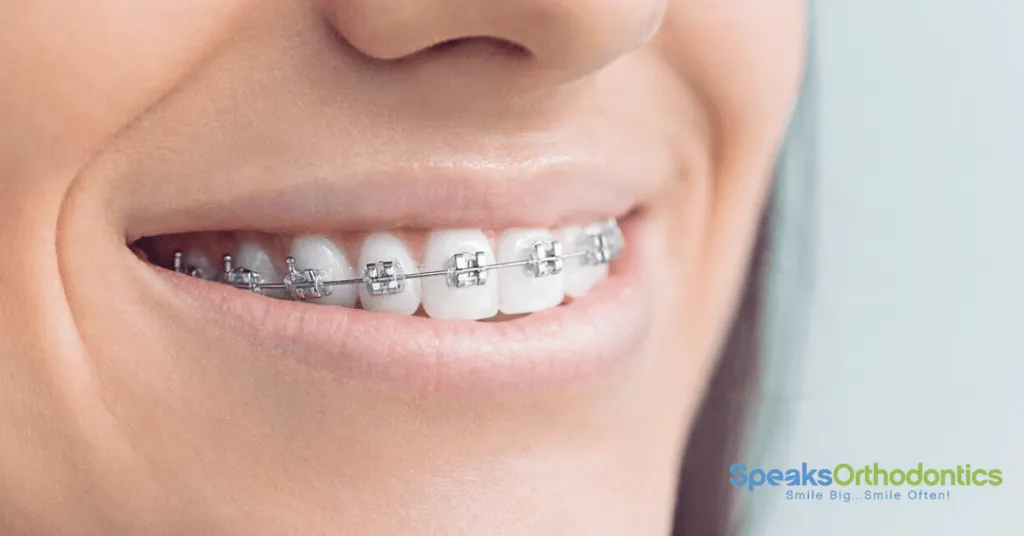
There are several types of braces available, each designed to address specific orthodontic needs. Traditional metal braces are the most common and consist of brackets and wires that gradually shift teeth into place. Ceramic braces offer a more discreet option, as they blend in with the natural color of teeth.
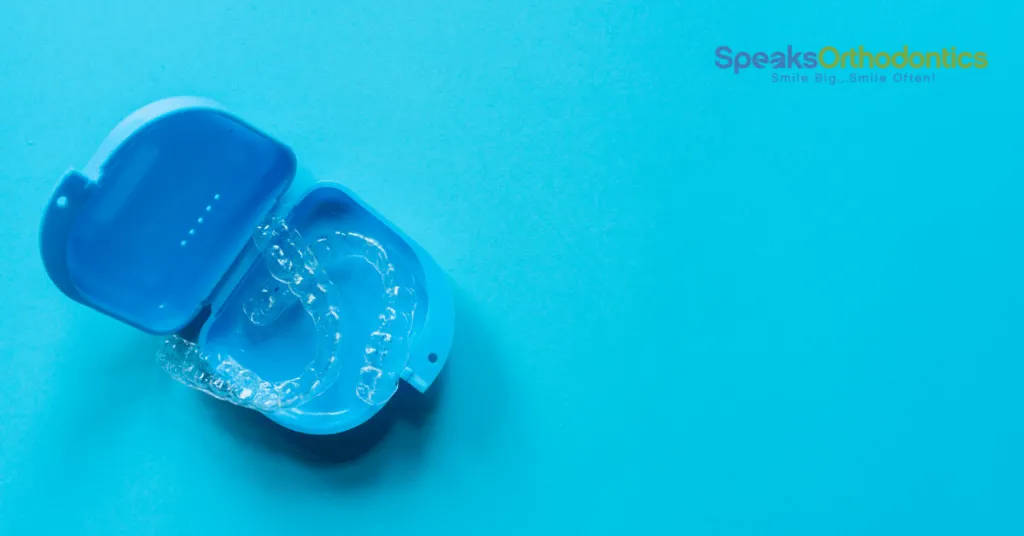
In addition to these, lingual braces are placed on the back of the teeth, making them virtually invisible. Clear aligners, such as Invisalign, provide a removable option that allows for easier cleaning and less dietary restrictions. Understanding the differences can help patients choose the best option for their lifestyle and treatment goals.
How to Care for Braces
Caring for braces is essential to ensure effective treatment and maintain oral hygiene. Patients should avoid certain foods that can damage braces, such as hard candies, popcorn, and sticky snacks. Instead, opting for softer foods can help prevent breakage and discomfort.
In addition to dietary considerations, maintaining a thorough cleaning routine is vital. Patients should use a soft-bristled toothbrush and fluoride toothpaste, and consider using a water flosser to remove food particles trapped in braces. Regular visits to the orthodontist for adjustments and cleanings will also ensure that the braces function correctly and efficiently.
Common Myths About Orthodontic Treatment
There are many misconceptions surrounding orthodontic treatment that can lead to confusion for patients. One common myth is that braces are only for children and teenagers; however, adults can also benefit from orthodontic care at any age. In fact, an increasing number of adults are seeking treatment to improve their smiles and oral health.
Another myth is that orthodontic treatment is purely cosmetic. While improving appearance is a significant benefit, braces also play a vital role in correcting bite issues and enhancing overall oral health. Understanding these myths can help patients make informed decisions about their orthodontic journey.