Invisalign or Braces for Teens: Which Is Better?
Comparing Invisalign vs. braces for your teen? Learn how each works, costs, comfort, treatment time, and which option fits your teen’s lifestyle.

Comparing Invisalign vs. braces for your teen? Learn how each works, costs, comfort, treatment time, and which option fits your teen’s lifestyle.

Learn how to find the top orthodontist with this expert guide covering credentials, technology, treatment options, costs, and key questions to ask.

Orthodontic treatment has come a long way from the days of traditional impressions and metal braces alone. Modern technology has transformed the patient experience, making

Orthodontic treatment isn’t just for kids and teenagers anymore. In fact, more adults than ever are choosing to improve their smiles later in life. Whether

Every smile is unique, and so are the challenges that come with creating proper alignment and function. While most orthodontic treatments focus on straightening teeth

Finishing braces or aligner treatment is an exciting milestone — but it’s not the end of your orthodontic journey. Once your teeth have been carefully

Braces are highly effective for straightening teeth and improving bite alignment, but in some cases, orthodontic treatment requires more than just moving the teeth. When

Even with the best care and attention, braces can occasionally break or become uncomfortable. A loose bracket, a poking wire, or a detached band can

Wearing braces is a big step toward achieving a straight, confident smile — but it also means making a few changes to your eating habits.
orthodontic blog, speaks orthodontics reviews, speaks orthodontics, orthodontics blog, orthodontic blogs, orthodontist blog, orthodontists blog, orthodontists blogs, the orthodontic co, orthodontist near me, best orthodontist
One of the primary concerns for patients considering orthodontic treatment is the cost involved. The price of braces or clear aligners can vary significantly based on various factors, including the complexity of the case, the type of treatment chosen, and the duration of the treatment plan. Understanding these factors can help patients budget effectively and make informed decisions.
In addition to the base cost of treatment, patients should also consider potential additional expenses such as retainers, follow-up visits, and any necessary dental work prior to starting orthodontic treatment. Many orthodontic practices, including Speaks Orthodontics, offer financing options and payment plans to make treatment more accessible. It's essential to discuss these options during the initial consultation to find a plan that suits your financial situation.
Orthodontics is often surrounded by misconceptions that can deter individuals from seeking treatment. One common myth is that braces are only for children and teenagers. In reality, adults can benefit from orthodontic treatment just as much as younger patients. Another myth is that orthodontic treatment is purely cosmetic, when in fact, it can significantly improve oral health, bite function, and overall quality of life.
Debunking these myths is crucial for encouraging more people to consider orthodontic options. For instance, many patients are unaware that modern orthodontic solutions, such as clear aligners, offer a discreet and effective way to achieve a straighter smile without the traditional metal braces. Educating potential patients about these truths can lead to better health outcomes and increased confidence in their treatment choices.
Maintaining proper oral hygiene is crucial for anyone undergoing orthodontic treatment. Braces and aligners can create additional challenges for keeping teeth clean, making it essential to establish a diligent oral care routine. Patients should be encouraged to brush after every meal and consider using additional tools like interdental brushes and floss threaders to ensure that food particles and plaque do not accumulate around brackets and wires.
In addition to regular brushing and flossing, patients should also schedule regular check-ups with their orthodontist to monitor their progress and address any hygiene-related concerns. This proactive approach not only helps to prevent cavities and gum disease but also ensures that the orthodontic treatment progresses as planned, leading to the best possible results.
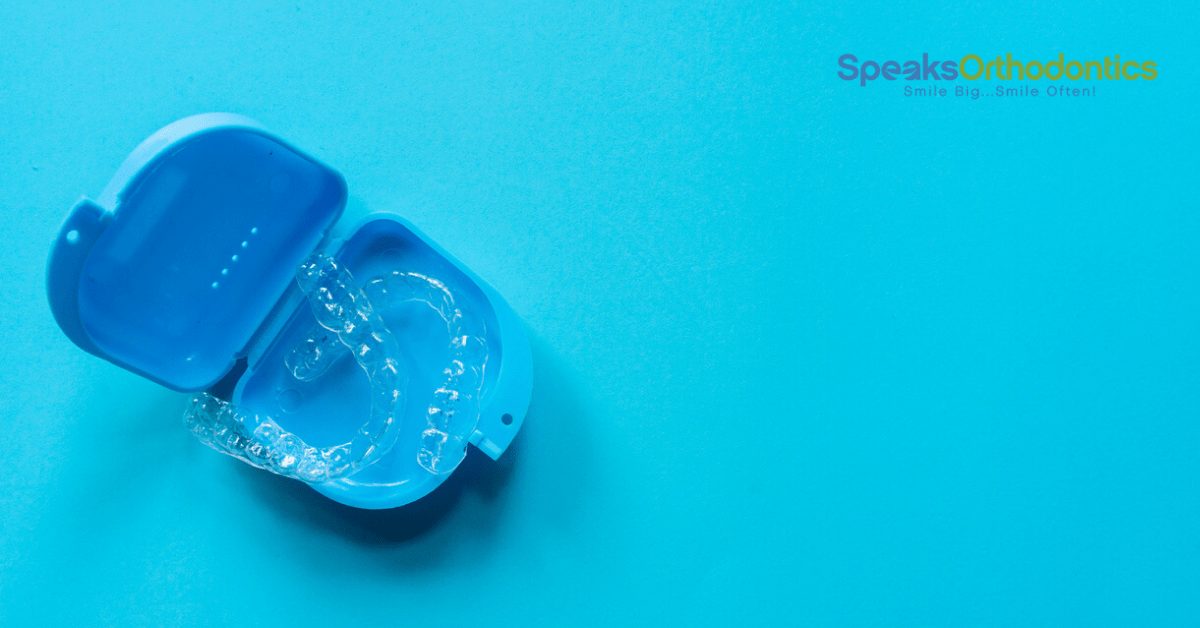
After completing orthodontic treatment, many patients are eager to show off their new smiles but may not be fully aware of the post-treatment care required. The retention phase is crucial for maintaining the alignment achieved during treatment. Patients will typically be fitted with retainers and must follow their orthodontist's instructions on how long and when to wear them to prevent teeth from shifting back to their original positions.
Additionally, patients should continue to practice good oral hygiene and schedule regular dental check-ups even after braces are removed. This ongoing care is essential for ensuring the longevity of their results and for monitoring overall dental health. Understanding the importance of this phase can help patients maintain their beautiful new smiles for years to come.