Tips for Maintaining Oral Hygiene with Braces
Maintaining oral hygiene is crucial for anyone wearing braces. Proper care not only contributes to a healthy mouth but also ensures that your orthodontic treatment progresses smoothly. Regular brushing and flossing, along with the use of specific orthodontic cleaning tools, can help prevent plaque buildup and cavities.
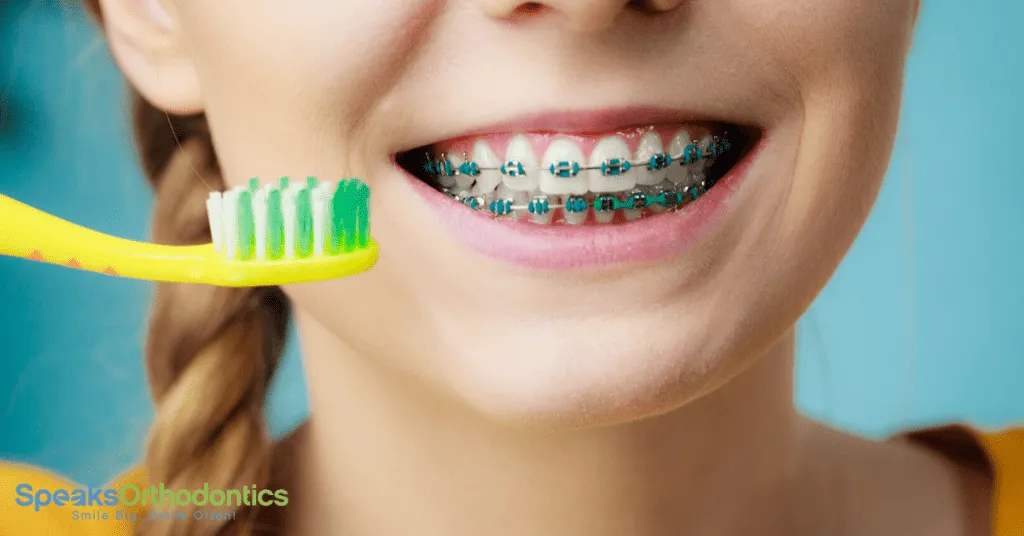
For optimal results, it is recommended to brush after every meal using a soft-bristled toothbrush and fluoride toothpaste. Additionally, using interdental brushes or floss threaders can help clean between the brackets and wires effectively. Regular visits to your orthodontist for professional cleanings are also essential in keeping your teeth and braces in good condition.
Understanding the Different Types of Braces
When considering orthodontic treatment, it's important to understand the various types of braces available. Each type has its unique benefits and is designed to cater to different orthodontic needs and patient preferences. The most common types include traditional metal braces, ceramic braces, lingual braces, and clear aligners like Invisalign.
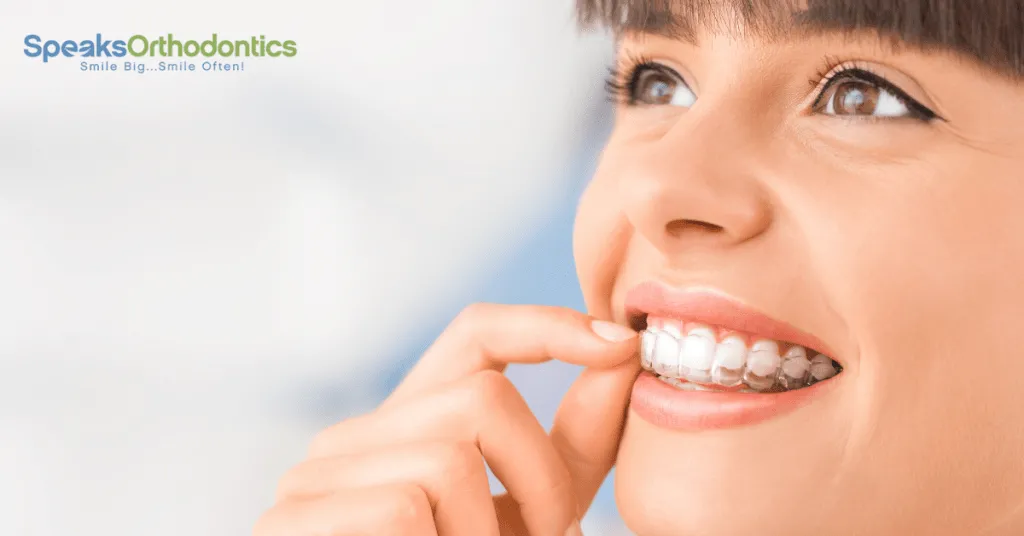
Traditional metal braces are the most widely used and are known for their effectiveness in treating severe dental issues. Ceramic braces offer a more aesthetic option as they blend in with the teeth, while lingual braces are placed behind the teeth for a completely hidden appearance. Clear aligners provide a removable and discreet alternative, making them popular among adults and teens alike.
How to Manage Discomfort from Braces
Experiencing discomfort after getting braces or during adjustments is common. Understanding how to manage this discomfort can make the process more bearable. Over-the-counter pain relief medications, such as ibuprofen or acetaminophen, can help alleviate pain and soreness.
Additionally, consuming soft foods and avoiding hard or sticky items can reduce discomfort. Applying orthodontic wax to any areas where the braces may irritate the gums can also provide relief. If discomfort persists, it is advisable to consult your orthodontist for further assistance.
The Role of Nutrition in Orthodontic Treatment
Nutrition plays a significant role in the success of orthodontic treatment. A balanced diet not only supports overall health but also helps maintain the integrity of teeth and braces. It's essential to focus on nutrient-rich foods that strengthen teeth and gums while avoiding those that can damage braces.
Incorporating fruits, vegetables, lean proteins, and whole grains into your diet can promote healthy teeth. It's advisable to limit sugary snacks and drinks, as they can contribute to tooth decay, especially when braces are involved. Educating patients about orthodontic-friendly foods can greatly enhance their treatment experience.
Tips for Maintaining Oral Hygiene with Braces
Maintaining oral hygiene is crucial for anyone wearing braces. Proper care not only contributes to a healthy mouth but also ensures that your orthodontic treatment progresses smoothly. Regular brushing and flossing, along with the use of specific orthodontic cleaning tools, can help prevent plaque buildup and cavities.
For optimal results, it is recommended to brush after every meal using a soft-bristled toothbrush and fluoride toothpaste. Additionally, using interdental brushes or floss threaders can help clean between the brackets and wires effectively. Regular visits to your orthodontist for professional cleanings are also essential in keeping your teeth and braces in good condition.
Understanding the Different Types of Braces
When considering orthodontic treatment, it's important to understand the various types of braces available. Each type has its unique benefits and is designed to cater to different orthodontic needs and patient preferences. The most common types include traditional metal braces, ceramic braces, lingual braces, and clear aligners like Invisalign.
Traditional metal braces are the most widely used and are known for their effectiveness in treating severe dental issues. Ceramic braces offer a more aesthetic option as they blend in with the teeth, while lingual braces are placed behind the teeth for a completely hidden appearance. Clear aligners provide a removable and discreet alternative, making them popular among adults and teens alike.
How to Manage Discomfort from Braces
Experiencing discomfort after getting braces or during adjustments is common. Understanding how to manage this discomfort can make the process more bearable. Over-the-counter pain relief medications, such as ibuprofen or acetaminophen, can help alleviate pain and soreness.
Additionally, consuming soft foods and avoiding hard or sticky items can reduce discomfort. Applying orthodontic wax to any areas where the braces may irritate the gums can also provide relief. If discomfort persists, it is advisable to consult your orthodontist for further assistance.
The Role of Nutrition in Orthodontic Treatment
Nutrition plays a significant role in the success of orthodontic treatment. A balanced diet not only supports overall health but also helps maintain the integrity of teeth and braces. It's essential to focus on nutrient-rich foods that strengthen teeth and gums while avoiding those that can damage braces.
Incorporating fruits, vegetables, lean proteins, and whole grains into your diet can promote healthy teeth. It's advisable to limit sugary snacks and drinks, as they can contribute to tooth decay, especially when braces are involved. Educating patients about orthodontic-friendly foods can greatly enhance their treatment experience.