
The Benefits of Digital Impressions
Years ago, when your orthodontist needed to take impressions of your teeth to determine the best treatment for your smile, the process typically involved placing

Years ago, when your orthodontist needed to take impressions of your teeth to determine the best treatment for your smile, the process typically involved placing

Oftentimes, when people think of the effects that crooked teeth can have on their smiles, they only think about appearance. However, crooked teeth can also

When most people think of their options for orthodontic treatment, they likely think of braces or clear aligners. While these treatments are effective for misaligned

While it would be ideal for your teeth to remain perfectly straight after you complete your orthodontic treatment, unfortunately, that isn’t always the case. Even

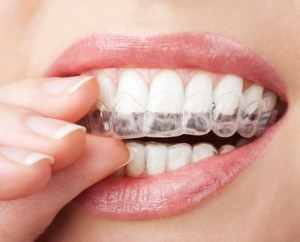
Invisalign orthodontic treatments offer a number of benefits for a comfortable and subtle way to achieve a straighter, more beautiful smile. However, since this treatment

In today’s world, there are plenty of misconceptions about pretty much any topic under the sun. Whether they’re based on fairy tales or simple misinformation,

How many times have you been sleeping soundly only to be suddenly woken up by your partner’s or your own snoring? Not only can the

For some of us, heading to the dentist or orthodontist is just another task in our day. However, for some people, the thought of sitting

What does your morning and evening dental routine look like? As long as you’re doing the bare minimum, it should at least include brushing for
While the visual appeal of a straight smile is often the primary motivator for seeking orthodontic treatment, the implications of crooked teeth extend far beyond mere appearance. Misaligned teeth can significantly impact oral health, leading to functional issues and increasing the risk of various dental problems. Addressing these concerns is crucial for overall well-being.
Beyond aesthetics, crooked teeth can contribute to difficulties in chewing and speaking, potentially causing speech impediments. They can also lead to uneven wear on tooth enamel due to improper biting forces and make effective oral hygiene practices more challenging, increasing the likelihood of cavities and gum disease. Understanding these deeper effects highlights the importance of orthodontic intervention for both health and confidence.
For individuals with significant jaw discrepancies or severe dental misalignments, surgical orthodontics, also known as orthognathic surgery, plays a vital role. This specialized treatment combines orthodontic tooth movement with surgical correction of the jawbones to achieve optimal function and facial harmony. It is often recommended when traditional orthodontic methods alone are insufficient.
Surgical orthodontics addresses issues such as underbites, overbites, crossbites, and open bites that stem from skeletal imbalances. The process typically involves a period of braces to align the teeth, followed by surgery to reposition the jaws, and then further orthodontic refinement to ensure a stable and functional bite. The benefits include improved chewing efficiency, enhanced speech clarity, reduced jaw pain, and a more balanced facial profile.
Completing orthodontic treatment, whether with braces or clear aligners, marks a significant milestone, but the journey to a lasting straight smile doesn't end there. Retainers are an indispensable part of the process, designed to hold teeth in their new, corrected positions and prevent them from shifting back over time. Consistent use of retainers is key to maintaining the results achieved.
There are two main types of retainers: fixed (bonded) and removable. Fixed retainers are typically wires bonded to the back of the front teeth, offering continuous support. Removable retainers, such as Hawley retainers or clear plastic aligner-like devices, offer flexibility but require diligent wear, often as prescribed by the orthodontist, to be effective. Neglecting retainer wear can lead to relapse, requiring further orthodontic intervention.
In the realm of orthodontic treatment, several myths and misconceptions persist, potentially deterring individuals from seeking necessary care or causing unnecessary anxiety. Dispelling these inaccuracies is essential for informed decision-making and ensuring patients have realistic expectations about the orthodontic process and its outcomes.
Common myths include the belief that orthodontic treatment is only for children and teenagers, that it is excessively painful, or that it is purely a cosmetic procedure with no health benefits. In reality, orthodontic treatment is beneficial for all ages, and while some initial discomfort is normal, modern techniques have significantly improved comfort levels. Furthermore, the functional improvements in bite, speech, and oral hygiene are as crucial as the aesthetic enhancement.