Understanding the Different Types of Braces
Braces come in various types, each designed to address specific orthodontic needs. Traditional metal braces are the most common and effective for complex cases, while ceramic braces offer a more aesthetic option for those concerned about appearance. Lingual braces, which are placed behind the teeth, provide a discreet alternative for patients seeking invisibility in their treatment.
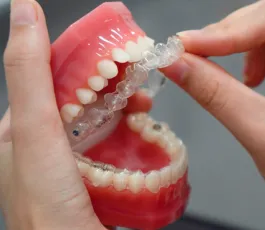
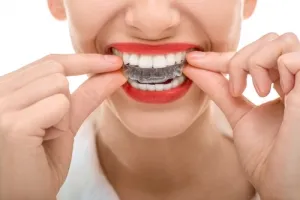
Additionally, clear aligners like Invisalign have gained popularity due to their removable nature and comfort. Each type of brace has its unique advantages and considerations, making it essential to consult with an orthodontist to determine the best fit for your dental situation.
Tips for Maintaining Oral Hygiene with Braces
Maintaining oral hygiene is crucial for anyone with braces, as food particles can easily become trapped, leading to plaque buildup and potential decay. Brushing after every meal with a soft-bristled toothbrush and using fluoride toothpaste can help keep teeth clean. Incorporating an interdental brush or floss threaders can also aid in reaching areas around brackets and wires.
Regular visits to the orthodontist for adjustments and cleanings are equally important. Patients should also consider using mouthwash to help reduce bacteria and freshen breath. By following these tips, individuals with braces can ensure a healthy mouth throughout their treatment.
Common Myths About Orthodontic Treatment
There are several misconceptions surrounding orthodontic treatment that can deter individuals from seeking necessary care. One common myth is that braces are only for children and teenagers; however, adults can also benefit from orthodontic intervention to improve their smiles and oral health. Another myth is that braces are excessively painful, whereas advancements in technology have made the process much more comfortable.
Understanding the truth behind these myths can help patients make informed decisions about their orthodontic care. Consulting with an orthodontist can provide clarity and dispel any doubts regarding treatment options and their effectiveness.
How Long Does Orthodontic Treatment Take?
The duration of orthodontic treatment varies depending on the individual’s specific needs and the complexity of their case. On average, treatment with braces may last anywhere from 18 months to 3 years. Factors influencing the timeline include the severity of misalignment, the type of braces used, and the patient’s adherence to care instructions.
Regular follow-ups with the orthodontist can help monitor progress and make necessary adjustments to the treatment plan. Understanding the expected timeline can help patients prepare mentally and financially for their orthodontic journey.