Understanding Different Types of Orthodontic Treatments
Orthodontic treatments have evolved significantly, offering a variety of options to straighten teeth and improve bite alignment. From traditional metal braces to nearly invisible aligners, patients can choose the method that best suits their lifestyle, aesthetic preferences, and specific orthodontic needs. Understanding these differences is crucial for making an informed decision about your smile journey.
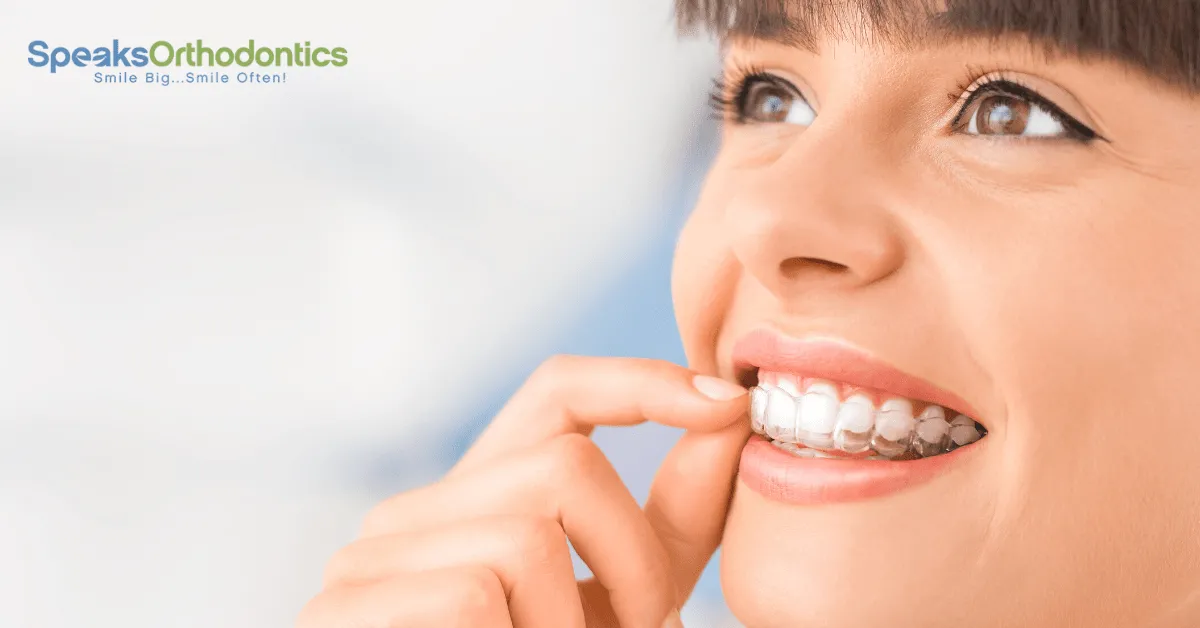
Common orthodontic solutions include fixed braces, which utilize brackets and wires to gradually move teeth, and clear aligners, a series of custom-made, removable trays that are virtually undetectable. Other options may involve lingual braces, placed on the back of the teeth, or early intervention treatments for younger patients. Each method has unique benefits and considerations regarding treatment duration, maintenance, and cost.
The Benefits of Early Orthodontic Evaluation
An early orthodontic evaluation, typically recommended around age seven, allows orthodontists to monitor a child's dental and facial development. This proactive approach can identify potential issues before they become more complex, potentially simplifying or even preventing the need for extensive treatment later on. Early intervention can guide jaw growth, correct harmful habits, and create space for erupting teeth.
Benefits of early evaluation include addressing issues like crossbites, overcrowding, and thumb-sucking habits, which can significantly impact oral health and development. By intervening early, orthodontists can often achieve more stable and predictable results, reduce treatment time, and improve the overall outcome of orthodontic care, ensuring a healthier and more aesthetically pleasing smile for the child.
Maintaining Oral Hygiene with Braces
Keeping your teeth clean and healthy while wearing braces requires a dedicated and consistent oral hygiene routine. The brackets and wires can trap food particles and plaque, increasing the risk of cavities and gum disease if not meticulously cleaned. Special tools and techniques are essential to ensure thorough brushing and flossing around orthodontic appliances.
Effective oral hygiene with braces involves using a soft-bristled toothbrush, interdental brushes (also known as pipe cleaners), and fluoride toothpaste. Brushing after every meal and snack is highly recommended to remove debris. Flossing daily, using a floss threader or orthodontic flosser, is crucial for cleaning between teeth and under wires. Regular dental check-ups are also vital for professional cleaning and monitoring oral health.
The Role of Diet in Orthodontic Treatment Success
Your diet plays a significant role in the success and comfort of your orthodontic treatment, especially when wearing braces. Certain foods can damage your appliances, prolong treatment time, or cause discomfort, while others can support your oral health and aid in the alignment process. Making mindful food choices is key to a smooth and efficient orthodontic journey.
When undergoing orthodontic treatment, it's advisable to avoid hard, sticky, and chewy foods that can break brackets or wires. Examples include hard candies, popcorn, nuts, chewing gum, and tough meats. Conversely, incorporating soft, nutrient-rich foods like yogurt, smoothies, cooked vegetables, and lean proteins can promote healing and make eating more comfortable. Staying hydrated with water is also beneficial for overall oral health.