Tips for Maintaining Oral Hygiene with Braces
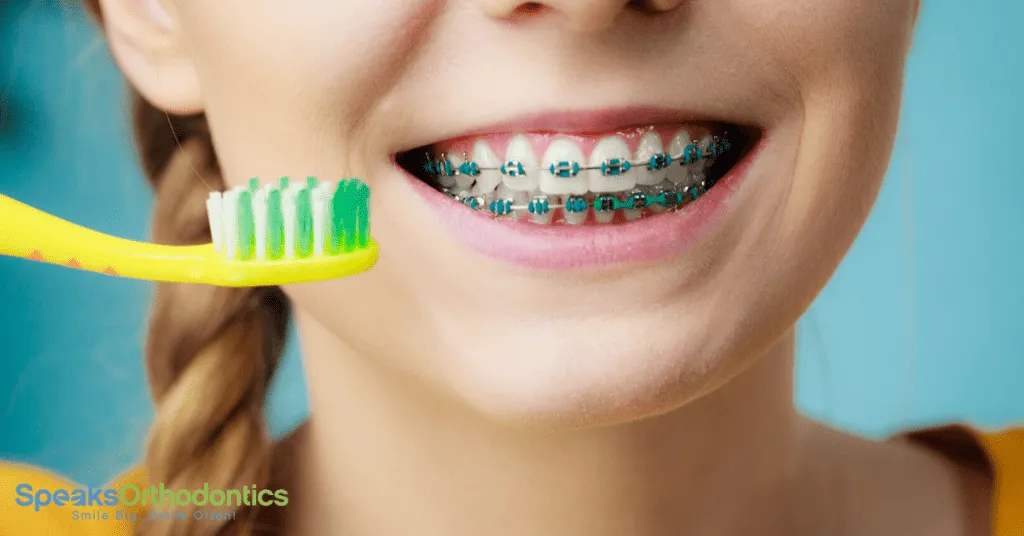
Maintaining oral hygiene while wearing braces is crucial for preventing cavities and ensuring the effectiveness of orthodontic treatment. Regular brushing and flossing are essential, but it requires extra care to clean around the brackets and wires effectively.
Using a soft-bristled toothbrush and fluoride toothpaste can help remove food particles and plaque. Additionally, orthodontic flossers and interdental brushes can make it easier to reach difficult areas. It's also advisable to rinse with an antibacterial mouthwash to further protect against gum disease.
Understanding the Different Types of Braces
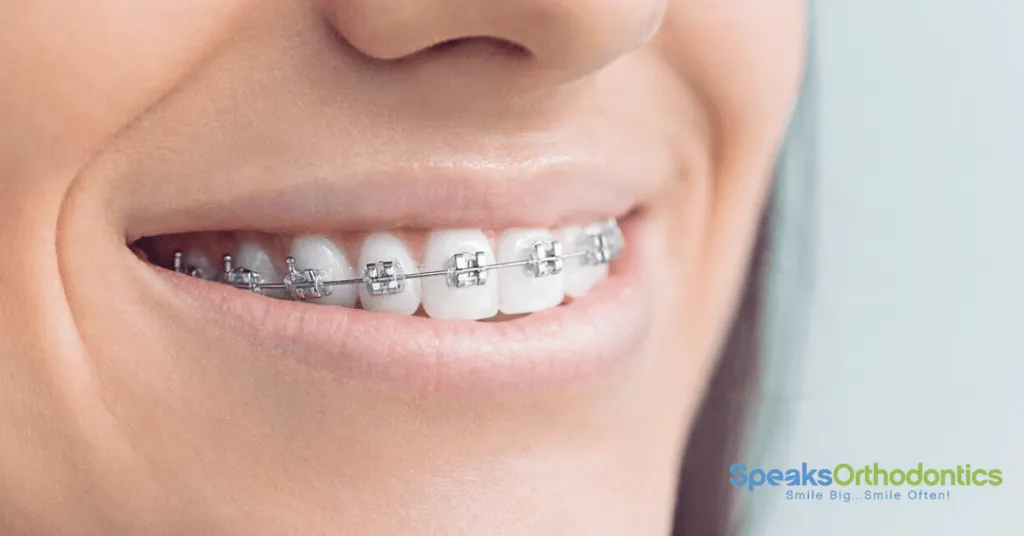
There are several types of braces available today, each designed to cater to different orthodontic needs and aesthetic preferences. Traditional metal braces are the most common, but options like ceramic braces and lingual braces offer more discreet choices for patients concerned about appearance.
Ceramic braces blend in with the natural color of teeth, while lingual braces are placed on the back of the teeth, making them virtually invisible. Understanding these options can help patients make informed decisions about their orthodontic treatment.
How to Choose the Right Orthodontist
Selecting the right orthodontist is a vital step in ensuring a successful treatment experience. Factors such as the orthodontist's qualifications, experience, and treatment philosophy should be considered when making this important decision.
Additionally, reading patient reviews and testimonials can provide insight into the orthodontist's practice. A consultation can also help gauge the office environment and the orthodontist's approach to patient care, ensuring a comfortable experience throughout the treatment process.
Common Myths About Orthodontics
There are many misconceptions surrounding orthodontics that can lead to confusion for patients. One common myth is that braces are only for children and teenagers, while in reality, many adults also seek orthodontic treatment to improve their smiles.
Another myth is that getting braces is always painful; however, modern orthodontic techniques have significantly reduced discomfort. Educating patients about these myths can help alleviate fears and encourage them to pursue the orthodontic care they need.